
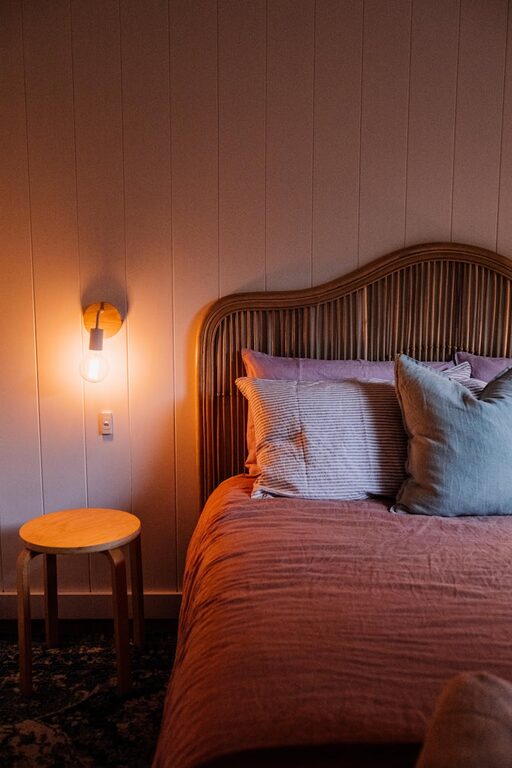
Creating comfortable home lighting is essential for a cozy, inviting atmosphere and practical use of your spaces. Whether you are reading in the living room, cooking in the kitchen, or winding down in the bedroom, well-planned lighting can make a big difference in how your home feels and functions.
In this post, we’ll explore helpful tips to choose lighting that’s comfortable, adaptable, and stylish for every part of your home.
Understand the Role of Lighting in Comfort
Lighting affects mood, productivity, and even health. Harsh, overly bright lights can cause eye strain and fatigue, while dim or uneven lighting can lead to discomfort or safety issues. Comfortable lighting balances brightness, color, and placement to create a pleasant environment tailored to your needs.
Key Factors to Consider When Choosing Home Lighting
Brightness and Lumens
Brightness is measured in lumens. For comfortable lighting, avoid bulbs that are too bright or too dim for the room’s purpose and size. For example:
– Living rooms and bedrooms: 1,500 to 3,000 lumens total
– Kitchens and workspaces: 4,000 to 8,000 lumens total
– Bathrooms: 3,000 to 4,000 lumens total
Using multiple light sources helps spread even light and prevents glare.
Color Temperature and Mood
Color temperature, measured in kelvins (K), influences the light’s hue:
– Warm light (2700K–3000K): Soft, cozy, great for relaxing spaces like living rooms and bedrooms.
– Neutral light (3500K–4100K): Balanced and natural; ideal for kitchens and bathrooms.
– Cool light (5000K–6500K): Bright and alerting; suited for task lighting and home offices.
Choosing the right color temperature improves comfort and suits the room’s function.
Lighting Layers for Flexibility
Use multiple layers of light instead of a single overhead fixture:
– Ambient lighting: General illumination from ceiling fixtures or wall lights.
– Task lighting: Directed light for activities such as reading, cooking, or working.
– Accent lighting: Highlights architectural features or decor with spotlights or lamps.
Layering lets you adjust lighting based on time of day and activity.
Practical Tips for Comfortable Lighting in Different Rooms
Living Room
– Combine ceiling lights with floor or table lamps for adjustable lighting.
– Use warm color temperature bulbs to create a relaxing atmosphere.
– Opt for dimmable fixtures to control brightness according to mood.
Kitchen
– Install bright, neutral or cool lighting for clear visibility.
– Add under-cabinet lights to illuminate countertops without shadows.
– Ensure task lighting near cooking and food prep areas.
Bedroom
– Choose warm, soft lighting to promote relaxation.
– Consider bedside lamps or wall sconces with adjustable brightness.
– Use blackout curtains or smart lighting that dims gradually to improve sleep quality.
Bathroom
– Use bright, neutral light around mirrors for grooming.
– Avoid harsh overhead lights; opt for diffused lighting that reduces shadows.
– Consider moisture-resistant fixtures for safety and durability.
Home Office
– Select cool or neutral white light for alertness and focus.
– Position desk lamps to prevent glare on screens.
– Incorporate natural light when possible to reduce eye strain.
Energy Efficiency and Lighting Comfort
Selecting LED bulbs is an excellent way to combine comfort with energy savings. LEDs provide consistent light quality, long life, and are available in various color temperatures and brightness levels.
Additionally, using dimmers and smart lighting controls allows for customized lighting scenes that enhance comfort while conserving energy.
Choosing Fixtures That Complement Your Style and Lighting Needs
Lighting fixtures not only serve functional purposes but also add to your home’s aesthetic. When choosing fixtures:
– Match style with your interior decor for a cohesive look.
– Consider fixture size proportional to the room.
– Ensure fixtures distribute light evenly according to your comfort needs.
Final Tips for Creating Comfortable Home Lighting
– Test bulbs and fixtures before final installation if possible.
– Use lighting calculators or apps to estimate the lumens needed.
– Don’t rely solely on overhead lighting; incorporate lamps and wall fixtures.
– Pay attention to glare and shadows; adjust fixture placement accordingly.
– Experiment with different lighting setups to find what feels best.
—
Comfortable home lighting enhances your daily living by creating welcoming, adaptable spaces. With attention to brightness, color, layering, and style, you can design lighting that both looks great and feels just right. Take your time exploring options and enjoy the difference good lighting makes in your home!