
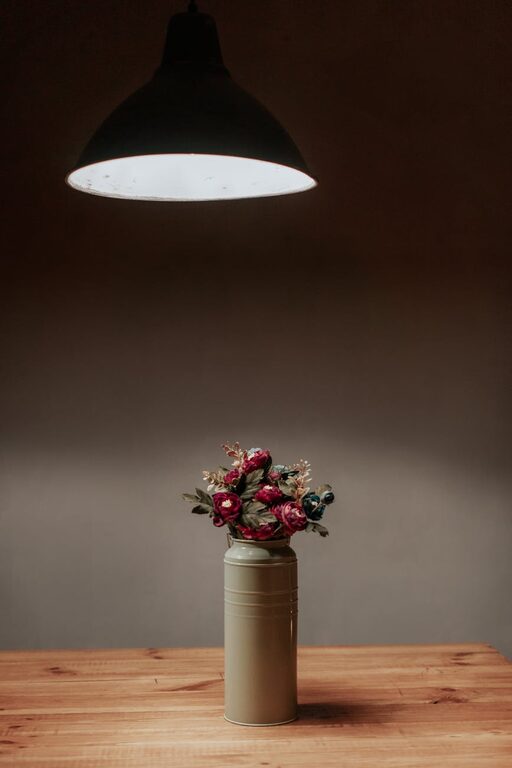
Creating a peaceful and inviting atmosphere in your home often starts with the colors you choose. Calm colors have the power to soothe the mind, reduce stress, and make your living space feel more comfortable and welcoming. If you’re planning to refresh your walls, furniture, or décor, selecting the right palette is essential for achieving a tranquil environment. In this post, we’ll explore practical tips for choosing calm colors for your home, helping you design a space that promotes relaxation and harmony.
Why Choose Calm Colors?
Colors influence our emotions and moods more than we realize. Bright or intense colors like reds and neon shades can stimulate and energize, which may not always be ideal for spaces meant for rest and relaxation. Calm colors, on the other hand, tend to have softer, muted tones that encourage a sense of peace and serenity.
Choosing calm colors can help:
– Create restful bedrooms and living rooms
– Improve focus in study areas
– Encourage relaxation in bathrooms and reading nooks
With this in mind, let’s dive into how to pick those perfect hues.
Understand the Nature of Calm Colors
Calm colors typically come from softer shades of the following color families:
Blues and Greens
Blues are widely known for their calming effects, often associated with sky and water. Soft blues help lower blood pressure and slow breathing. Greens remind us of nature and growth, which can reduce anxiety.
Neutrals and Earth Tones
Warm neutrals like beige, taupe, and soft browns provide a cozy and grounded feeling. Earthy shades such as muted terracotta or olive green evoke comfort and balance.
Soft Pastels
Light pastel colors such as blush pink, lavender, and pale peach add gentle warmth without overwhelming the senses.
Tips for Choosing Calm Colors
1. Consider the Room’s Purpose
Start by thinking about how you use the room. Bedrooms benefit from cool hues like soft blue or lilac that promote sleep. Living rooms may work well with warm neutrals that encourage conversation and relaxation.
2. Test Samples in Natural Light
Colors can appear very different depending on the lighting. Paint small swatches on your walls and observe them during different times of day to see how the color shifts in natural and artificial light.
3. Use Color Palettes for Inspiration
Look for color palettes specifically designed for calm interiors. These often include complementary shades that work well together, helping you coordinate walls, furniture, and accessories effortlessly.
4. Opt for Matte or Satin Finishes
High-gloss finishes can reflect too much light and appear harsh. Choosing matte or satin paints enhances the softness of the color, contributing to a calm atmosphere.
5. Balance with White or Light Neutrals
Pair calming colors with crisp white or light neutrals to create a fresh, uncluttered feel. This balance prevents the space from appearing dull or monotonous.
6. Limit Bold Contrasts
Avoid using too many contrasting colors or very dark tones alongside calm colors. Strong contrasts can disrupt the peaceful vibe you want to establish.
Color Ideas for Specific Spaces
Living Room
– Light sage green walls paired with cream furniture create an inviting and restful living room.
– Pale blue accents combined with warm beige flooring offer a serene yet cozy feel.
Bedroom
– Soft lavender or dusty rose walls contribute to a soothing sleep environment.
– Light gray with taupe bedding offers a modern, minimalist calmness.
Bathroom
– Gentle aqua or seafoam hues evoke cleanliness and tranquility.
– Off-white tiles with soft beige paint enhance a spa-like atmosphere.
Home Office or Study
– Muted green tones can reduce eye strain and encourage concentration.
– Soft blue shades help maintain calm and focus throughout work sessions.
Additional Tips for Enhancing Calmness with Color
– Bring in natural elements like wood or plants to complement your color choices.
– Use textiles in calming colors, such as cushions, curtains, and rugs.
– Incorporate soft lighting to enhance the warmth and softness of calm colors.
Final Thoughts
Choosing calm colors for your home is a thoughtful way to cultivate a relaxing and welcoming space. By understanding the emotional effects of color and carefully considering the function and lighting of each room, you can create an environment that truly promotes peace and well-being. Remember, your home should be a sanctuary, and the colors you select play a vital role in shaping that experience.
Take your time exploring different shades, testing samples, and imagining how each color will feel before making the final decision. When done well, calm colors can transform your home into a serene refuge from the busy outside world.